By The Arizona Roofer – “Done right and monsoon tight.”
If you’ve lived in the Valley for more than a summer, you know Arizona’s heat isn’t just hot — it’s relentless. Roofs in the Phoenix metro area face some of the harshest conditions in the country: triple-digit temps, brutal UV rays, monsoon winds, and the occasional dust storm that feels like sandpaper on shingles. As a roofing contractor with decades of experience in this climate, I’ve seen firsthand which roofing materials hold up and which ones simply can’t take the heat.
This guide breaks down the 10 best roofing materials for Arizona’s extreme heat, explaining the pros, cons, and ideal use cases for each. Whether you’re a homeowner, investor, or property manager, knowing your options will help you protect your property, extend your roof’s life, and save money in the long run.
1. Tile Roofing (Clay or Concrete)
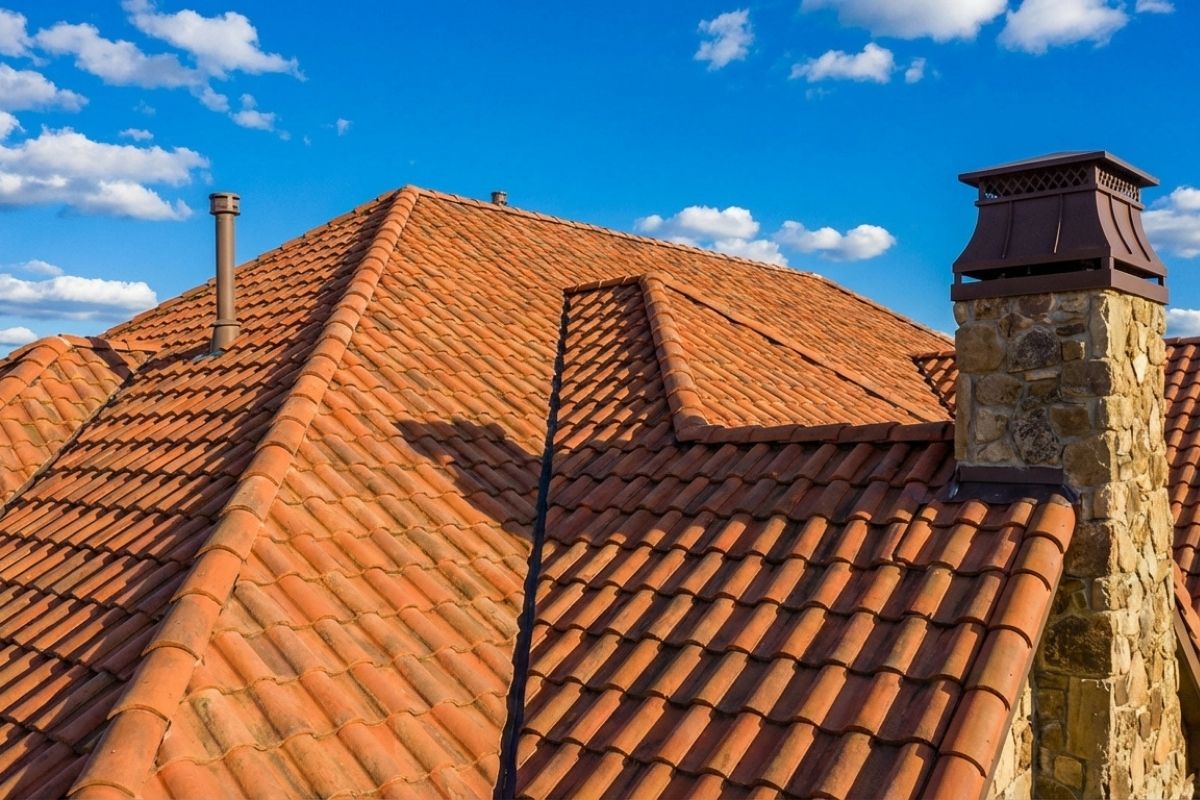
Tile roofing is the classic Arizona roof for a reason. It’s durable, beautiful, and naturally designed to reflect heat. Clay and concrete tiles both perform well in extreme conditions, and with proper underlayment, they can last 40–50 years or more.
Pros:
- Excellent heat resistance
- Fireproof and rot-proof
- Long lifespan and strong curb appeal
Cons:
- Heavy — requires a strong structure
- Tiles can break if walked on improperly
Best For: Homes built with tile-ready structures or those upgrading from shingles for longevity and aesthetics.
2. Foam Roofing (Spray Polyurethane Foam)
Foam roofing is one of the most energy-efficient systems available for Arizona’s flat or low-slope roofs. It provides insulation and waterproofing in one seamless layer and reflects UV rays when coated properly.
Pros:
- Superior energy efficiency
- Seamless waterproof barrier
- Easy to repair and recoat
Cons:
- Needs regular coating maintenance
- Must be applied by experienced professionals
Best For: Commercial buildings, flat-roof homes, and property managers looking for long-term cost savings.
3. Metal Roofing
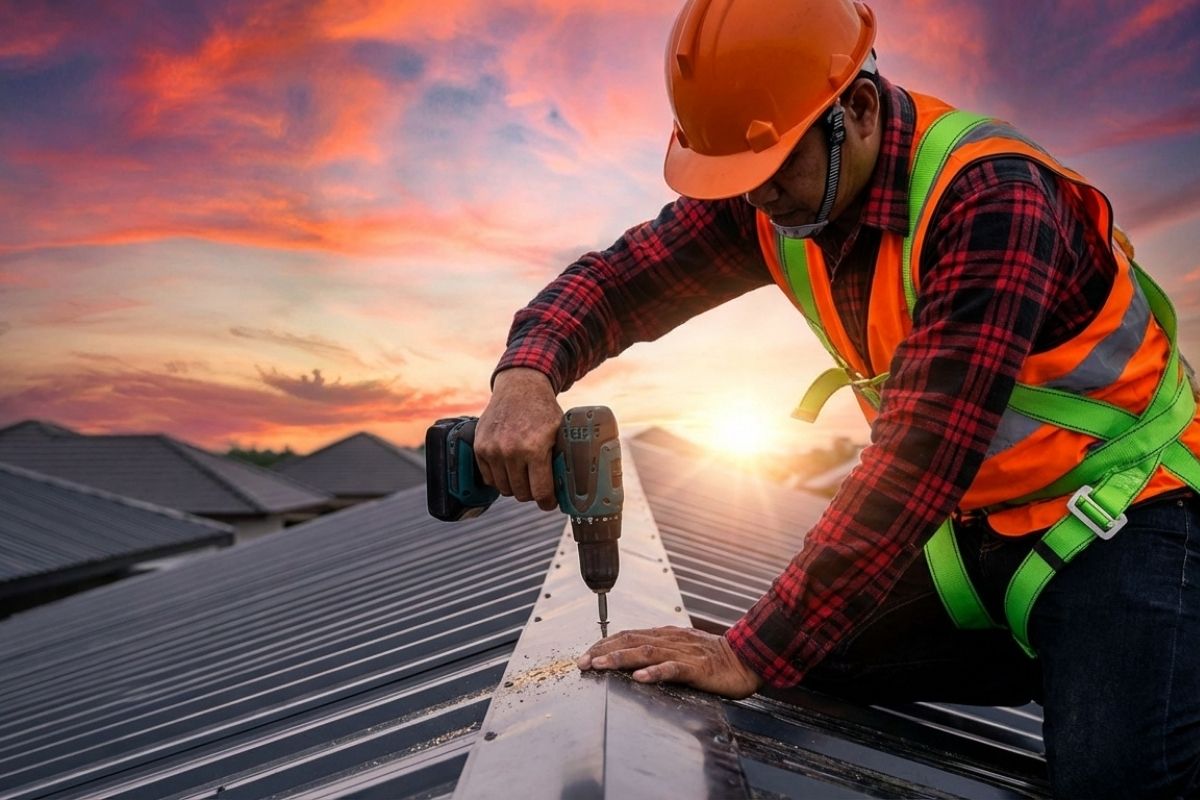
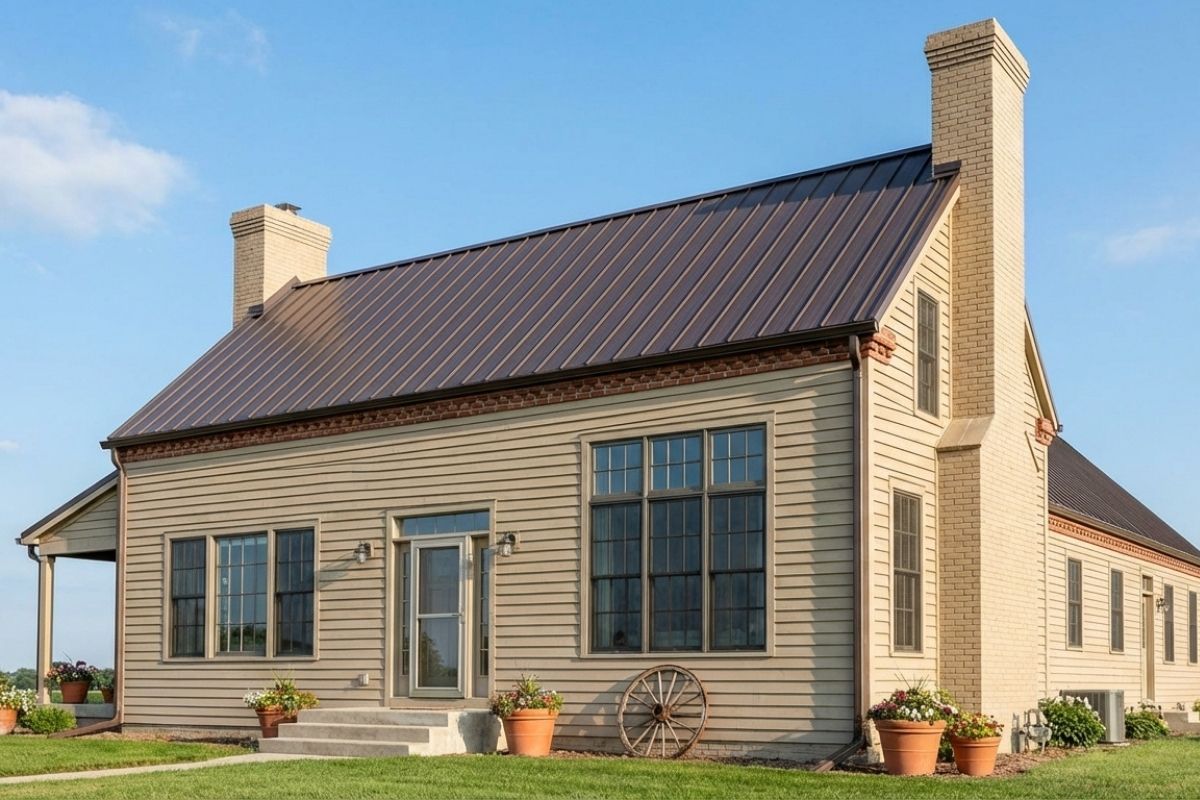
Modern metal roofs are not only stylish but also built to last decades — often 50+ years with minimal maintenance. With the right reflective coatings, they perform exceptionally well in Arizona’s sun.
Pros:
- Reflects solar heat effectively
- Extremely durable and fire-resistant
- Lightweight and recyclable
Cons:
- Can be noisy in storms
- Higher upfront cost
Best For: Homes and commercial buildings that want a modern, durable look with great energy performance.
4. Modified Bitumen Roofing
Modified bitumen (or “mod bit”) is a reliable option for flat roofs. It’s made from asphalt with added polymers for flexibility and strength, making it ideal for Arizona’s temperature swings.
Pros:
- UV-resistant surface
- Easy to repair and maintain
- Cost-effective for flat roofs
Cons:
- Shorter lifespan than foam or metal
- Limited aesthetic appeal
Best For: Commercial roofs or flat residential roofs where practicality matters more than appearance.
5. Asphalt Shingles
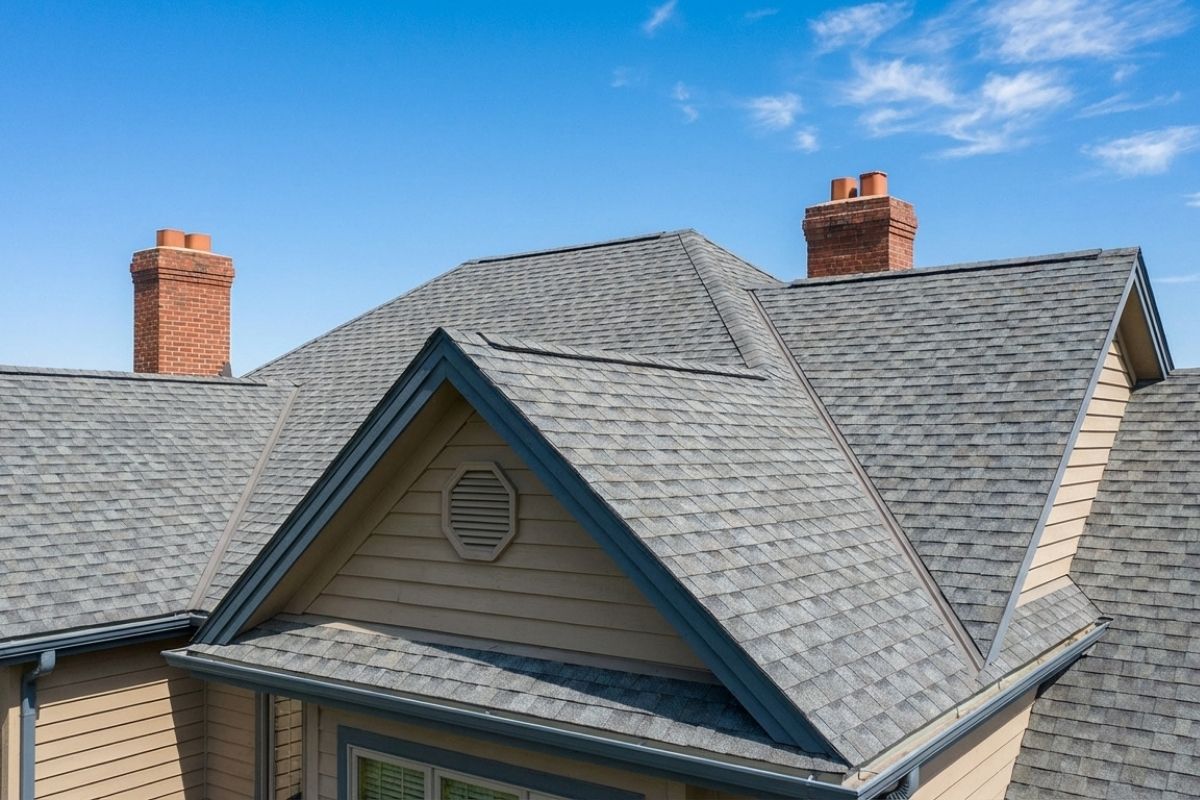
Still one of the most common roofing types in Phoenix, asphalt shingles have come a long way. Today’s reflective “cool roof” shingles can handle the heat much better than older styles.
Pros:
- Affordable and easy to install
- Available in reflective “cool” varieties
- Works well for pitched roofs
Cons:
- Shorter lifespan (15–25 years)
- Can deteriorate faster under constant UV exposure
Best For: Budget-conscious homeowners or rental properties needing a fast, reliable roofing solution.
6. TPO Roofing (Thermoplastic Polyolefin)
TPO roofing is a white single-ply membrane that reflects heat extremely well. It’s a favorite for commercial properties and increasingly popular on modern homes with flat roofs.
Pros:
- Highly reflective and energy-efficient
- Lightweight and flexible
- Resistant to algae and dirt buildup
Cons:
- Seams must be heat-welded correctly
- Can shrink or crack if poorly installed
Best For: Commercial flat roofs and modern residential designs seeking a clean, energy-efficient finish.
7. Cool Roof Coatings
Whether it’s elastomeric, silicone, or acrylic, roof coatings are a great way to reflect heat and extend the life of your existing roof. They act like sunscreen for your home.
Pros:
- Reduces surface temperatures dramatically
- Adds waterproofing and UV protection
- Cost-effective way to delay re-roofing
Cons:
- Requires reapplication every 5–10 years
- Doesn’t fix structural roof issues
Best For: Homes or buildings with aging roofs that still have good structure underneath.
8. Slate Roofing
Though rare in Arizona due to its weight and cost, slate offers unmatched longevity and timeless beauty. It’s a premium choice that can handle the desert if installed correctly.
Pros:
- Extremely long-lasting (75–100 years)
- Naturally fire and heat resistant
- Elegant appearance
Cons:
- Very heavy — needs reinforced structure
- Expensive to install and repair
Best For: Luxury homes or custom builds where style meets durability.
9. Synthetic Tile or Slate
Made from polymers or recycled materials, synthetic roofing mimics traditional tile or slate but at a fraction of the weight. It’s becoming a popular choice for Arizona homeowners.
Pros:
- Lightweight yet durable
- UV and impact resistant
- Lower maintenance than natural materials
Cons:
- Can be more expensive than shingles
- Limited real-world longevity data
Best For: Homeowners who love the look of tile or slate but want easier installation and maintenance.
10. Built-Up Roofing (BUR)
A traditional option for flat roofs, BUR systems use layers of asphalt and fabric with a top coating of gravel or reflective material.
Pros:
- Proven performance in Arizona for decades
- Durable and UV-resistant when maintained
- Affordable for large flat areas
Cons:
- Heavy system
- Can be messy or smelly during installation
Best For: Commercial buildings or older homes with flat roofs that need durability on a budget.
Choosing the Right Roofing Material
The best roof for you depends on your property type, budget, and long-term goals. If you want low maintenance and maximum energy savings, foam or metal are great options. If you love the classic Arizona look, tile roofing remains king. For commercial properties, TPO or mod bitumen deliver strong performance in our desert climate.
Whatever you choose, proper installation and maintenance make the biggest difference. Even the best roofing material can fail if installed poorly or ignored during monsoon season.
Final Thoughts from The Arizona Roofer
At The Arizona Roofer, we’ve seen every kind of roof in every kind of condition. From Scottsdale to San Tan Valley, our focus is always on honest, quality work that lasts. Whether you’re replacing an old shingle roof, upgrading to tile, or protecting a flat roof with foam, we make sure it’s done right and monsoon tight.
Don’t wait for small issues to turn into costly repairs.
Book your complimentary roof inspection today Here
Looking for budget-friendly solutions? Check out our low monthly payment plans