By The Arizona Roofer – “Done right and monsoon tight.”
One of the most common questions I get as a roofing contractor is:
“Henry, do I need to replace my roof, or can it just be repaired?”
It’s a good question — and an important one. Roof replacement is a big investment, but jumping into a full tear-off too soon wastes money. On the other hand, patching an old roof that’s past its lifespan is just delaying the inevitable.
In Arizona’s extreme climate, knowing the difference can save you thousands and help you make the smart call. Let’s break down how to tell when your roof still has life left in it — and when it’s time for a full replacement.
1. Start with the Roof’s Age
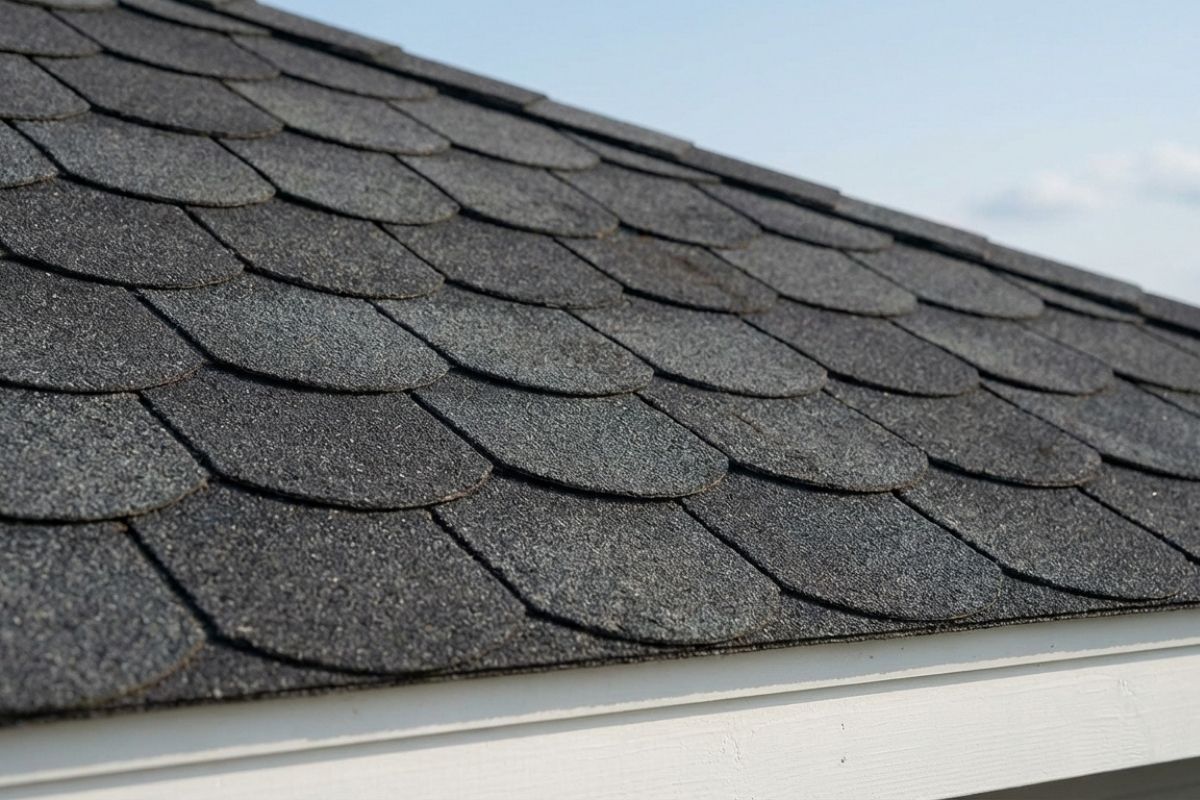
Every roof has a lifespan. In the Valley, intense UV exposure and heat shorten that lifespan compared to cooler states. Here’s a quick guide for Arizona roofs:
- Asphalt shingles: 15–20 years
- Tile roofs (underlayment): 20–25 years
- Foam roofs: 20–30 years (with recoating)
- Metal roofs: 40–50+ years
If your roof is nearing or past these benchmarks, it may be time to plan for replacement — especially if repairs are becoming more frequent.
2. Inspect for Widespread Damage
If damage is isolated — say, a few missing tiles or a small leak — repairs are often the best and most affordable option.
But if you see widespread cracking, curling, or granule loss across the entire roof, that’s a sign the system is failing overall.
When your roof looks tired across large sections, repairs become band-aids. In those cases, replacing the system ensures long-term protection.
3. Look at the Underlayment Condition
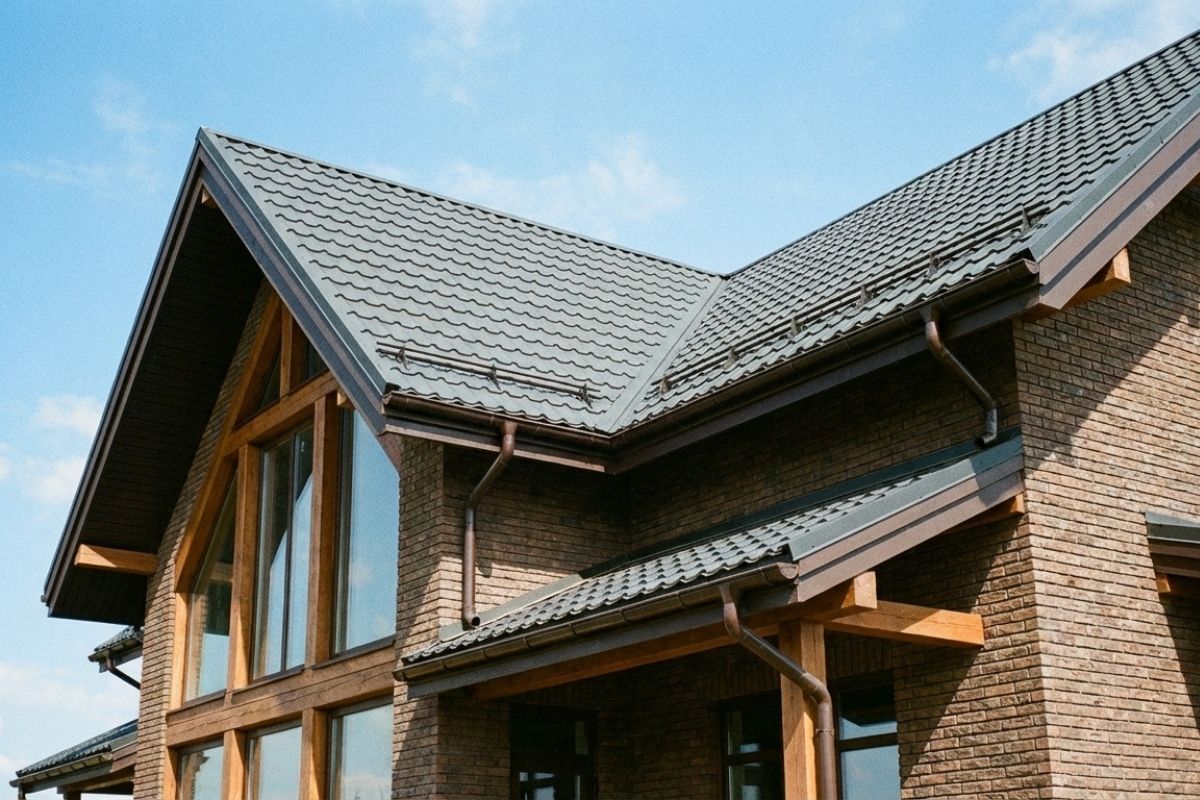
Tile roofs can look perfect from the street, but the underlayment — the waterproof barrier underneath — is what really matters. In Arizona, underlayment typically lasts 20–25 years before drying out and cracking.
If you’re seeing small leaks under a tile roof, it’s likely your underlayment, not the tiles, that’s the issue. In that case, a “lift and relay” (where tiles are removed, underlayment replaced, and tiles reinstalled) is the best route.
4. Consider Recurrent Leaks
If you’re calling for leak repairs every monsoon season, your roof’s underlying system is failing. Constant patching can end up costing more over time than a new roof would.
Multiple leaks across different areas almost always mean the roofing material has reached the end of its life.
5. Check the Attic for Water Damage
A quick look inside your attic can reveal a lot. Signs like damp insulation, rusted nails, or water stains on the decking are clear indicators of ongoing leaks. If moisture is widespread, it may be time to replace the roof before structural damage sets in.
6. Evaluate Energy Efficiency
Old roofs often lose their reflective coatings, ventilation, or insulation over time. If your cooling bills are climbing, your roof might be trapping heat instead of deflecting it.
Replacing with a more efficient system — like foam or tile with radiant barrier underlayment — can pay for itself through energy savings.
7. Look for Structural Issues
Sagging areas, soft decking, or dips in your roofline indicate deeper damage, usually from trapped moisture or rot. That’s a sure sign the underlying structure needs attention. In these cases, replacing the roof (and repairing the decking) is the only way to restore full integrity.
8. Check the Coating on Foam or Flat Roofs
If you have a foam or coated roof, pay attention to the condition of the coating. Once it wears thin or cracks, UV rays can degrade the foam beneath.
Recoating is a repair — but if the foam itself is brittle, damaged, or waterlogged, replacement is the smarter move.
9. Inspect After Major Storms
Severe monsoon winds or hail can cause enough damage to warrant full replacement, even if the roof isn’t old. Insurance often covers storm-related roof damage — so if you’re hit by a major weather event, always get a professional inspection and documentation right away.
10. Get a Professional Opinion
The truth is, sometimes you can’t tell from the ground. What looks fine from below can be hiding serious problems underneath. That’s where experience counts.
At The Arizona Roofer, we inspect every roof with a trained eye. We’ll tell you honestly whether a repair will buy you more years — or if it’s time to start fresh. No pressure, no scare tactics — just straight answers from people who care about your home.
How to Decide: Repair vs. Replace
Here’s a quick guide:
| Situation | Best Option |
| Isolated damage in one area | Repair |
| Minor leak, roof under 15 years old | Repair |
| Repeated leaks across multiple areas | Replace |
| Underlayment over 20 years old | Replace |
| Foam coating worn but foam still solid | Repair (Recoat) |
| Foam brittle, cracked, or waterlogged | Replace |
| Energy costs climbing | Replace with efficient system |
Final Thoughts from The Arizona Roofer
Your roof is one of your home’s biggest investments — and knowing when to repair or replace it can save you time, money, and frustration.
At The Arizona Roofer, our promise is simple: we give you honest advice, expert workmanship, and roofs that are done right and monsoon tight. Whether you need a few tiles replaced, a foam recoating, or a full system upgrade, we’ll help you make the best choice for your property and your budget.
Don’t wait for small issues to turn into costly repairs.
Book your complimentary roof inspection today Here
Looking for budget-friendly solutions? Check out our low monthly payment plans