

By The Arizona Roofer – “Done right and monsoon tight.”
Every year, around June, Arizona’s skies shift from cloudless blue to wild, rolling thunderheads — and that means monsoon season. High winds, torrential rain, and dust storms can test your roof like nothing else.
I’ve seen small problems turn into major leaks after just one bad storm. The good news? Most monsoon-related roof damage is preventable. A little preparation before the storms hit can save you from expensive repairs later.
Here are 10 ways to get your roof monsoon-ready — from an Arizona roofer who’s seen it all.
1. Schedule a Roof Inspection Before the Season Starts
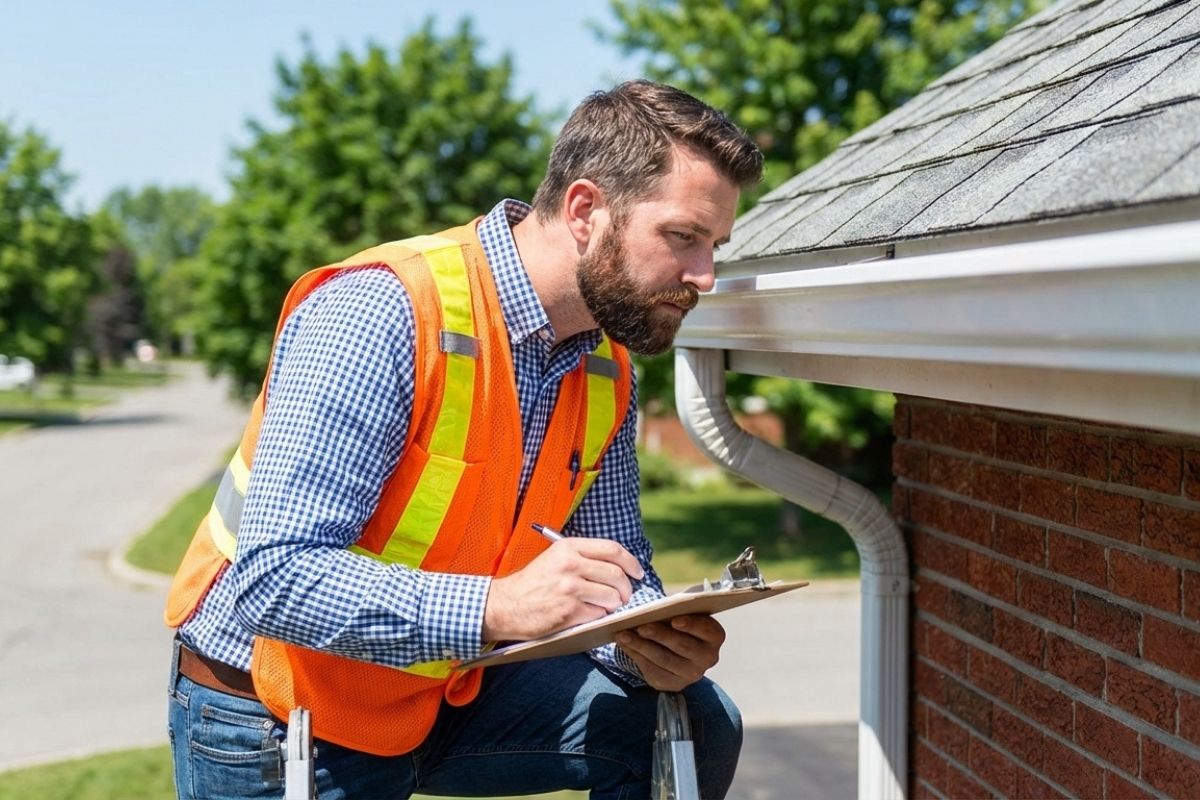
The best defense is a good inspection. A professional roofer can spot cracked tiles, loose flashing, dried-out sealant, and worn coatings before the first storm rolls in.
It’s always cheaper to fix a small issue in May than an emergency leak in July.
2. Clean Your Gutters and Downspouts
Clogged gutters are a recipe for disaster during monsoons. When water can’t drain, it backs up under shingles or tiles, leading to leaks and rot.
Clear all debris, leaves, and dirt from gutters and downspouts so rainwater flows freely away from your roof.
3. Trim Nearby Trees
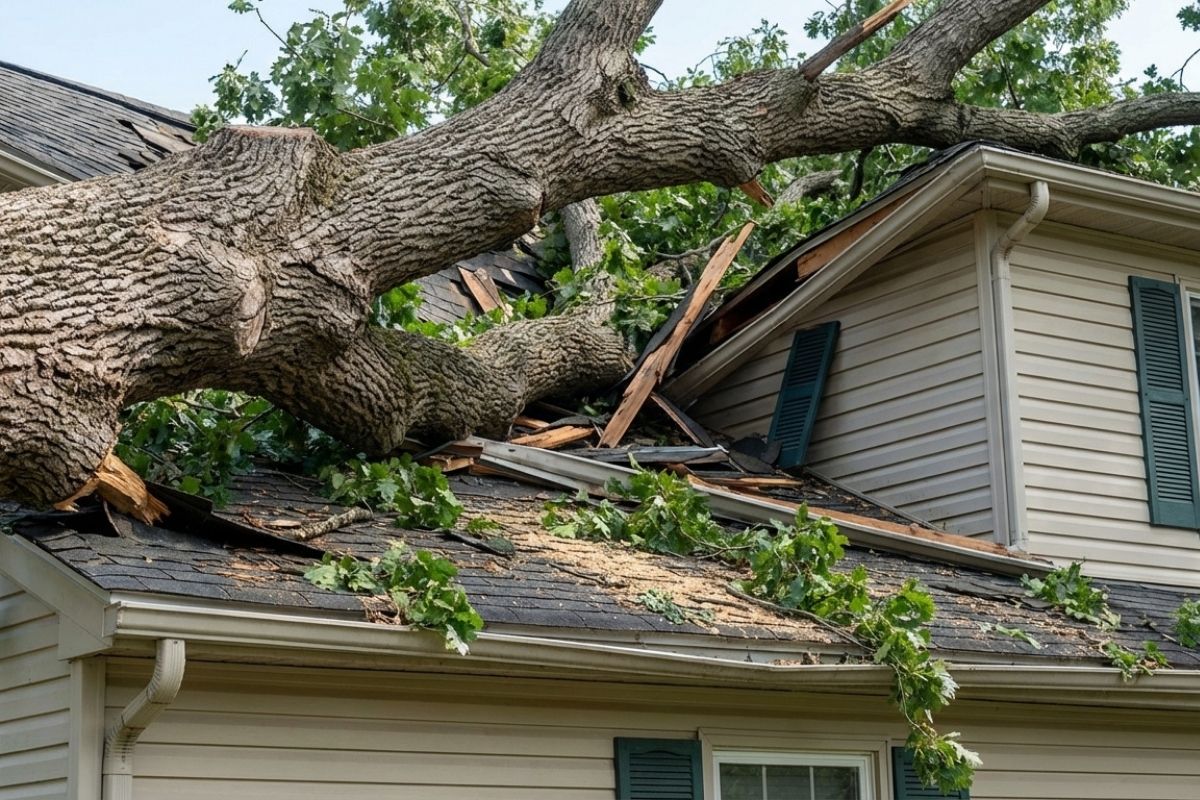
Strong winds can snap branches or even topple trees. Trim back anything hanging over your roof or within falling distance. Even small branches scraping across tiles can cause damage over time.
4. Check Flashing and Sealant
The edges and penetrations of your roof — around vents, chimneys, and skylights — are the most vulnerable spots. Re-seal or replace any cracked or loose flashing to prevent wind-driven rain from sneaking underneath.
5. Inspect Attic Ventilation
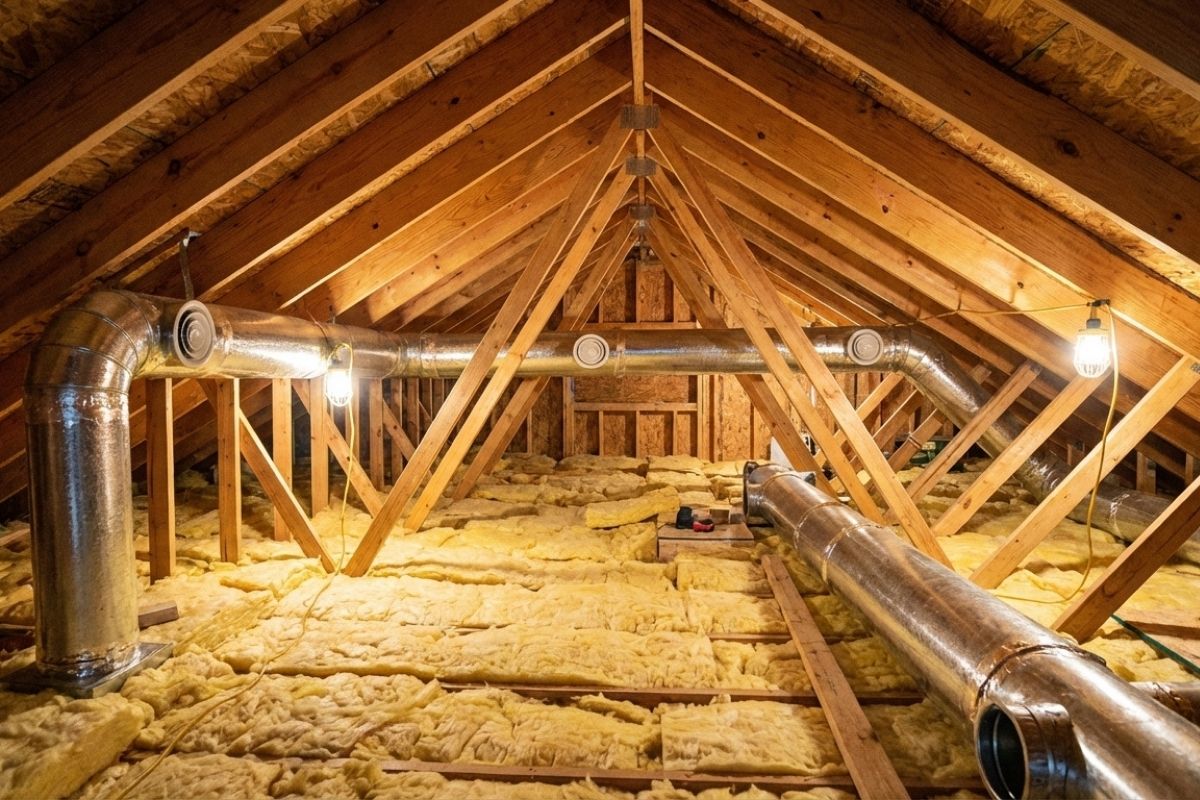
Proper airflow keeps your attic cooler and prevents humidity from building up during storms. Check vents and screens for blockages and make sure fans are working correctly.
6. Secure Roof-Mounted Equipment
AC units, solar panels, and satellite dishes should all be firmly mounted and sealed. High winds can loosen hardware and create leak points. Have these inspected before the season hits.
7. Apply or Refresh Roof Coatings
If you have a foam or flat roof, make sure your coating is intact and reflective. Coatings protect your roof from both UV damage and water intrusion. Recoating every 5–10 years ensures your system stays watertight.
8. Check for Ponding or Low Spots
On flat roofs, look for areas where water tends to pool after rain. These low spots can lead to coating breakdown and leaks over time. A roofing professional can re-level these areas with foam or patch material before the heavy rains start.
9. Inspect for Hail or Wind Damage
Past storms may have already weakened your roof without you realizing it. Hail dents, cracked tiles, or lifted shingles all compromise your system. Fix them now so they don’t fail during the next storm.
10. Have a Trusted Roofer on Speed Dial
When the rain hits and leaks start, you don’t want to be scrambling to find help. Establish a relationship with a reliable roofer before monsoon season. You’ll get faster service and peace of mind knowing who to call.
Bonus Tip: Document Your Roof’s Condition
Take photos of your roof before the season begins. If you need to file an insurance claim later, you’ll have proof of its pre-storm condition — which can make a big difference in getting fair coverage.
Final Thoughts from The Arizona Roofer
Preparing your roof for monsoon season isn’t just smart — it’s essential in the Valley. A little attention before the storms can prevent major repairs afterward.
At The Arizona Roofer, we know Arizona weather better than anyone. Whether it’s an inspection, repair, or full re-roof, we make sure every system is done right and monsoon tight — ready for whatever nature throws at it.
Don’t wait for small issues to turn into costly repairs.
Book your complimentary roof inspection today Here
Looking for budget-friendly solutions? Check out our low monthly payment plans